📖 The Positive Impacts of AI
A quick recap
- Last lesson we explored some of the negative impacts AI technologies are having Examples here
- In this lesson, we will explore how this is balanced out by some of the positivie impacts of AI Positive Examples
- Finally you will have enough information to compare and contrast the impacts of AI; arguing for or against its use.

Negative impacts we have explored include:
- Impacts on the environment (such as water use and carbon emissions)
- Algorithmic bias (where AI makes poor choices based on biased training data)
- Deep fakes and the spread of misinformation
We will explore positive impacts such as:
- How AI is making advances in science and healthcare
- Helping to tackle cybercrimes and prevent fraud
- Developing novel approaches to tackling climate change
📖 Advances in Science and Healthcare
- AI is allowing for advances in scientific research
- AI is helping to pioneer healthcare innovation
- AI is helping medical professionals to develop personalised treatments

Scientific Research
- AI can process and analyse extremely large datasets much faster than humans.
Such data sets might, for example, be readings of how many points of light a
deep space telescope records in its field of view. - This helps scientists make new discoveries and test ideas more quickly.
When thinking about the deep space telescope, the AI might be able to identify
possible locations of things such as black holes or superclusters buch faster than a
human research team working with ordinary computers. - AI can also be used in a similar way in areas like climate modelling, astronomy, and biology.
- Overall, it speeds up the pace of scientific research and innovation.
- We have already witnessed several breakthroughs due to AI
Healthcare Innovation
- AI can analyse medical images such as X-rays, MRIs, and CT scans.
- It helps detect diseases earlier and often more accurately than humans alone.
- AI is used in drug discovery to test how new medicines might work.
It is able to predict what type of reactions patients will have in clinical trials ahead
of the actual trials being carried out. - This reduces the time and cost of developing new treatments.
- AI tools like chatbots can also support patients and reduce workload for healthcare staff.
Personalised Treatments
- AI analyses patient data such as genetics, lifestyle, and medical history.
- This allows treatments to be tailored to the individual.
- It helps doctors choose the most effective therapies for each patient.
- Knowing their genetics and previous health history, AI can predict how a patient
will respond to certain medications. - This reduces trial-and-error per patient and improves treatment outcomes.
🌍 AI and Climate Solutions
- AI is improving our understanding of climate research
- AI is helping to tackle environmental problems
- AI is supporting the development of sustainable solutions
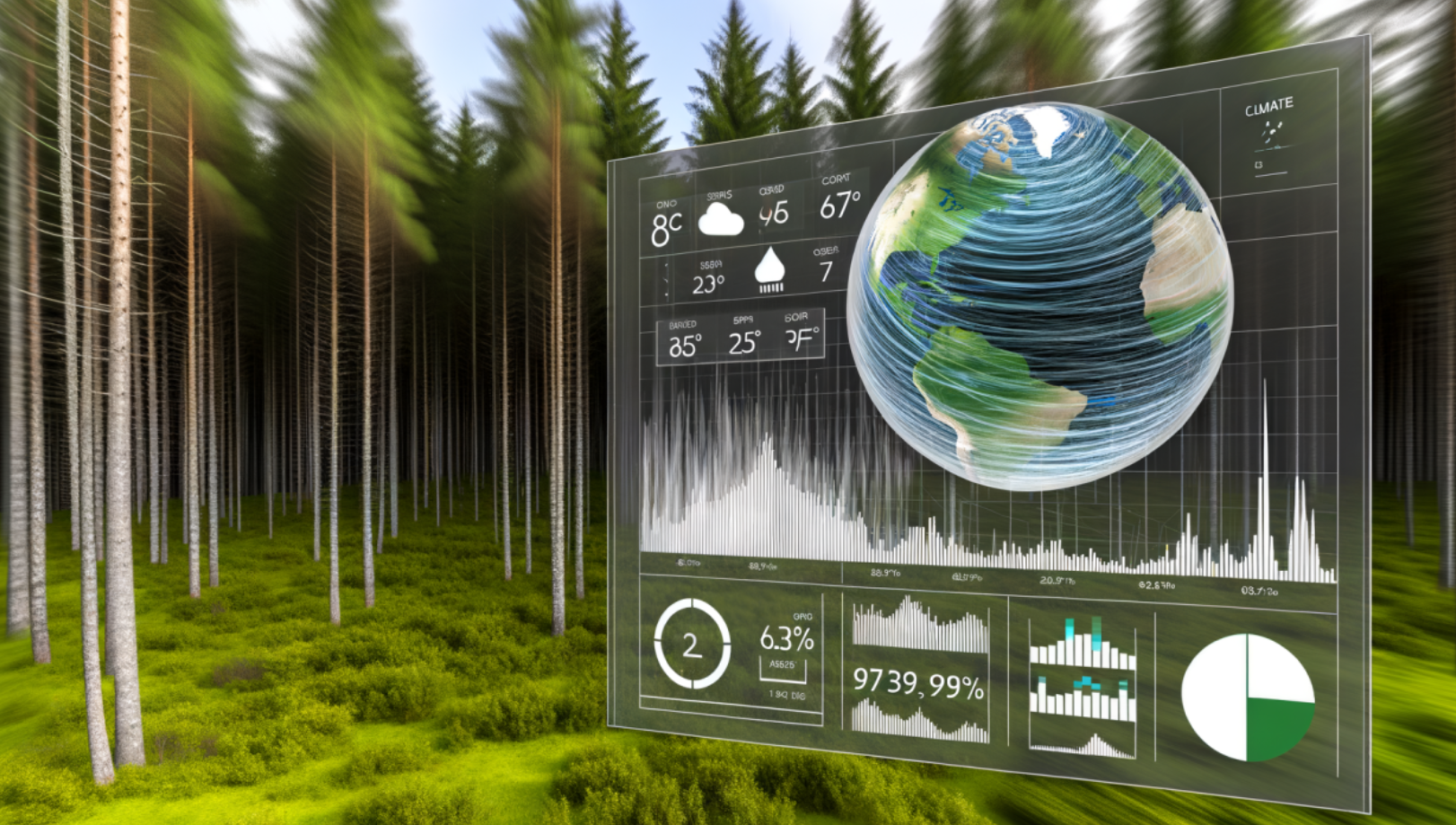
Climate Research
- Although we have learned that the production of AI technologies and the running of data centres currently generates large quantities of CO2. It might interest you to find that AI is being used to monitor and tackle climate change.
- AI can analyse vast amounts of climate data from satellites, sensors, and weather stations.
- AI is being used to help scientists model and predict climate change with a greater degree of speed and accuracy.
- AI can identify long-term patterns such as rising temperatures and changing weather systems.
- This improves our understanding of issues like global warming and extreme weather events.
- Better predictions help governments and scientists plan for the future; including the development of greener energy in the production and use of AI systems.
Environmental Problems
- AI can monitor deforestation, pollution, and wildlife populations in real time.
This can be done by analysing satellite imagery of various ecosystems. - AI helps detect environmental damage earlier, allowing faster responses.
- AI is used to track carbon emissions and identify major sources of pollution.
This can be done through connecting to vast arrays of carbon sensors across the globe, as well as monitoring emissions through satellite imagery. - AI can optimise energy use in cities, reducing waste and lowering emissions.
- This helps tackle major global challenges like climate change and habitat loss.
Sustainability
- AI helps design more efficient renewable energy systems like wind and solar power.
In fact, engineers use AI to help design a broad range of innovative systems and machines. - AI can analyse previous usage data and predict energy demand, balance supply and reduce waste.
- AI supports the development of smart cities with more sustainable infrastructure.
- It can improve agriculture by optimising water use and crop yields.
- These innovations help create a more sustainable and environmentally friendly future.
🛡️ AI and Crime Prevention
- AI is helping to improve crime detection
- AI is supporting law enforcement
- AI is being used for crime prevention strategies
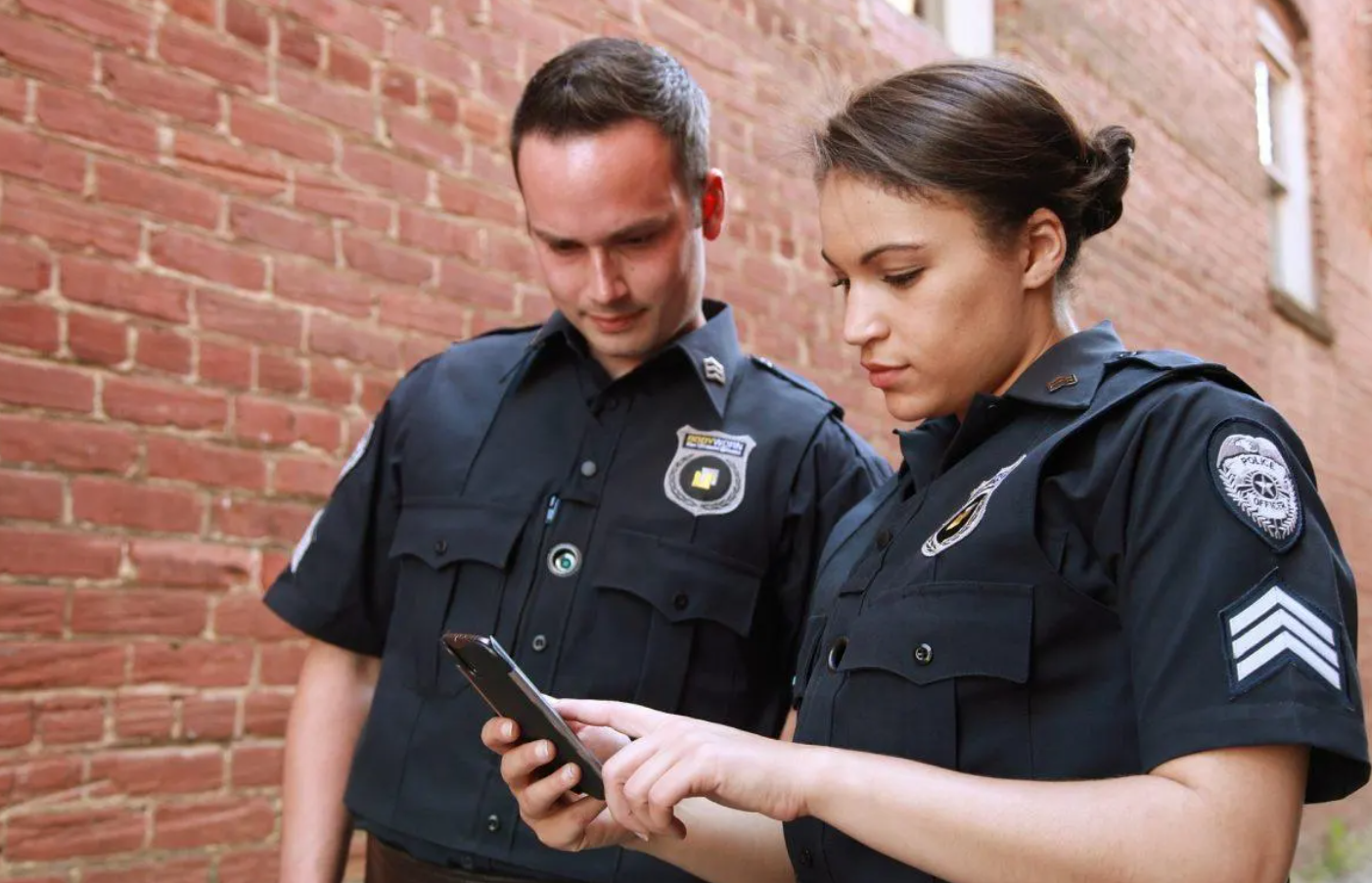
Crime detection
- AI can analyse CCTV footage to identify suspicious behaviour.
This is done by analysing the behaviour (and even body language) of individuals in public places. - Facial recognition systems can help identify known suspects.
This can enable police to build up a picture of their activities - AI can process large amounts of data quickly during investigations.
This can reveal leads that police might not consider, and even analyse potential motives of a suspect. - Overall, (well trained) AI allows crimes to be identified and responded to more quickly.
Law enforcement
- AI can assist police by analysing reports, evidence, and data.
- It helps prioritise cases based on urgency and risk.
- AI tools can support decision-making in investigations.
- It can automate routine tasks (paper work and admin), saving time for officers.
- This allows law enforcement to work more efficiently and effectively.
Crime prevention strategies
- AI can predict where crimes are more likely to occur using data patterns gathered from previous police research.
- This allows police to allocate resources to high-risk areas.
- AI can identify trends such as increases in certain types of crime.
- It can help prevent cybercrime by detecting unusual online activity.
- These strategies aim to stop crimes before they happen.